Mary Anton, born in Holstein in 1739, spent much of her childhood moving among Moravian communities in Germany and struggled from an early age with lightmindedness, spiritual instability, and periods of sinful behavior that even led to temporary exclusion from the congregation. Despite these struggles, she repeatedly returned to Christ in repentance, experiencing deep emotional moments of forgiveness, spiritual renewal, and closeness to her Savior through prayer, confession, fellowship, and Holy Communion. Over time she became more sincere, humble, and devoted within the Single Sisters’ Choir, finding joy in serving others and seeking to live entirely as Christ’s “property.” After suddenly falling ill with a severe fever in 1763, she remained patient, cheerful, and spiritually focused, longing to depart peacefully into her Savior’s presence. Shortly after receiving Holy Communion one final time, she died quietly at nearly twenty-four years old.
This manuscript is the life account of Matthes Wittke (or Wittke/Wittke), a Moravian man born in Moravia around 1700 who experienced religious persecution during the Counter-Reformation and later became connected with the Moravian renewal movement under Count Zinzendorf. The account traces his migrations through Moravia, Herrnhut, and eventually to America, including work as a weaver, marriage and children, participation in Moravian congregational life, and several major relocations connected to the expanding Moravian settlements. It also reflects on his spiritual development, his attachment to the Moravian Church, and his efforts to remain faithful through hardship, exile, and changing circumstances. The later pages discuss his family life, community responsibilities, and reflections on God’s guidance throughout his life.
James Oates, born in Yorkshire in 1745, was raised among the Moravian Brethren and became known from childhood for his honesty, simplicity, obedience, and deep longing to know Christ more fully. After joining the Great Boys’ Choir and later the Moravian congregation, he devoted himself to work, prayer, and spiritual fellowship, especially desiring to live entirely for the “Man of Sorrows.” Though afflicted from a young age with a painful bowel disorder, he endured his illness with remarkable patience, humility, and joy, becoming a source of spiritual comfort and encouragement to those who visited him. During his final weeks, he spoke constantly of his longing to “go home” to his Savior, described visions and feelings of Christ’s nearness, and died peacefully in 1761 at only fifteen years old, surrounded by hymns, blessings, and the Moravian community.
Richard Fenton, born in Yorkshire in 1757, was raised within the Moravian community and spent his youth at the Brethren’s school before becoming an apprentice glover and resident in the Choir House. Though naturally quiet and well regarded by his companions, he became seriously ill as a teenager and gradually declined in health despite many attempts at recovery. During his illness he remained patient, peaceful, and deeply devoted to Christ, often expressing that he preferred to “be with Christ” rather than recover and continue living in the world. Shortly before his death he described experiencing a powerful sense of the Savior’s forgiveness and acceptance, telling others that Christ would soon take him home. He died peacefully in December 1772 at only fifteen years old, comforted by his faith and the support of the Moravian community.
John Ellis, born in Yorkshire in 1748, spent part of his childhood living with relatives before returning to his parents, who later became connected with the Moravian Brethren. Though initially considered wild and restless as a child, he underwent a significant spiritual change after joining the Great Boys’ Choir, becoming thoughtful, devoted, and deeply concerned with belonging entirely to Christ. After his father’s death and the onset of a serious illness, he worked beyond his strength to help support his widowed mother and younger siblings while continuing faithfully to attend Moravian meetings whenever possible. Throughout his illness he remained gentle, openhearted, and spiritually focused, expressing certainty that he would soon “go to our Savior.” Shortly before his death in 1764 at age sixteen, he spoke peacefully of seeing Christ and His wounds in a vision and died calmly, asking to be buried among his Brethren at Fulneck.
Christian Oxley, born in 1752 to Moravian parents originally from northern Ireland, entered the Children’s Oeconomy at Fulneck as a very young child and was known for his gentle, childlike nature and fragile health. Though shy in his early years, he gradually became cheerful, openhearted, diligent, and deeply attached to the Moravian community, delighting especially in hymns, Bible verses, and celebrations surrounding Christ’s birth. Despite recurring illness and increasing deafness, he remained faithful in school and eager to participate in meetings and Christmas observances with the other children. After a sudden worsening illness following Christmas 1760, he endured severe suffering with patience and sweetness, surrounded by the prayers and affection of the Brethren. He died peacefully in January 1761 at only eight years old.
Justina Elizabeth LaTrobe, born at Fulneck in 1767, was remembered as a gentle, loving, and unusually tender-hearted child who was deeply attached to the Moravian community from an early age. After entering the Girls’ Oeconomy as a toddler, she quickly became beloved among both the Sisters and the other children for her cheerful nature, readiness to ask forgiveness, and delight in attending children’s meetings and singing about Christ’s sufferings. When she became seriously ill in 1772, she endured her sickness patiently and spoke sweetly and confidently about going to live with her Savior because she loved Him. During Holy Week, after listening attentively to the story of Christ’s suffering on the Cross, she peacefully accepted that she would soon die. Surrounded by prayer, tears, and a deeply emotional liturgy, she died gently in the early hours of Easter Sabbath at not yet five years old.
Anna Margretta Walker, born at Fulneck in 1763, was remembered as a lively, affectionate, and spiritually sensitive child who loved learning hymns and verses about Christ from an early age. Although weakened by illness throughout much of her short life after suffering whooping cough as an infant, she delighted in attending the girls’ school at the Sisters’ House and was deeply moved by Moravian teachings about death, salvation, and union with the Savior. After witnessing the funerals of other Sisters and children, she often spoke peacefully and even joyfully about her own future death, carefully thinking about her burial, favorite scripture texts, and being with Christ. During her final illness in Easter season of 1770, she repeatedly told those around her that she wanted only “our Saviour to come,” remaining calm and spiritually focused despite severe pain and convulsions. She died peacefully at six years old, surrounded by the prayers and blessings of the congregation, and was remembered with great tenderness by her companions and teachers.
Memoir written for Alice Brown, born in Lancashire in 1730. Alice Brown was a devout member of the Moravian Church. Her memoir details her communal life within various "Economies" and Choir Houses, where she separated from her parents to pursue her faith and enthusiastically shared her works of grace with fellow Sisters. After predicting her own departure, she joyfully embraced her final illness as a journey home, passing away in 1757 at the age of twenty-seven to be united with her eternal Bridegroom.
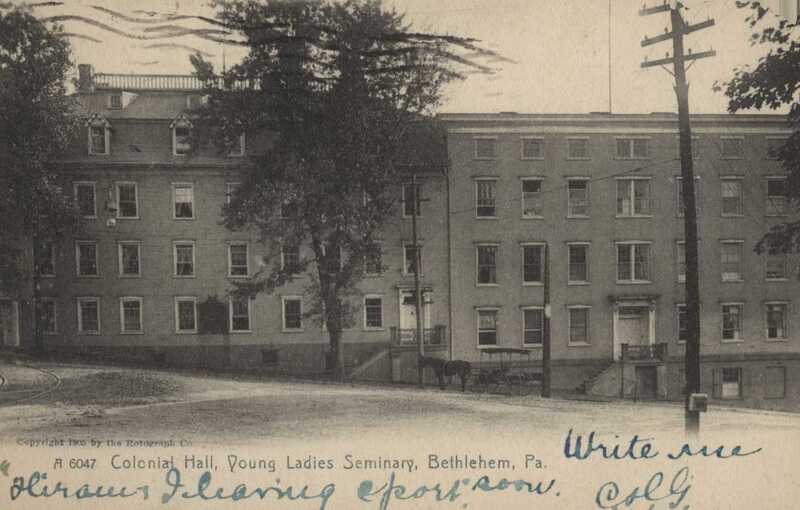
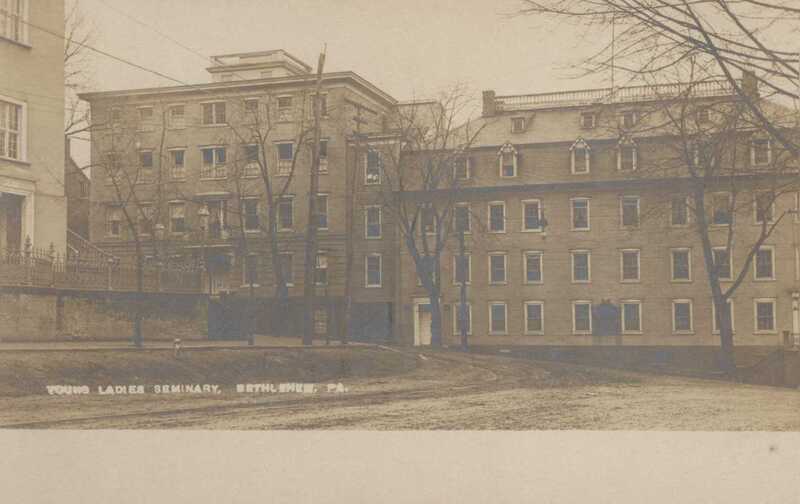
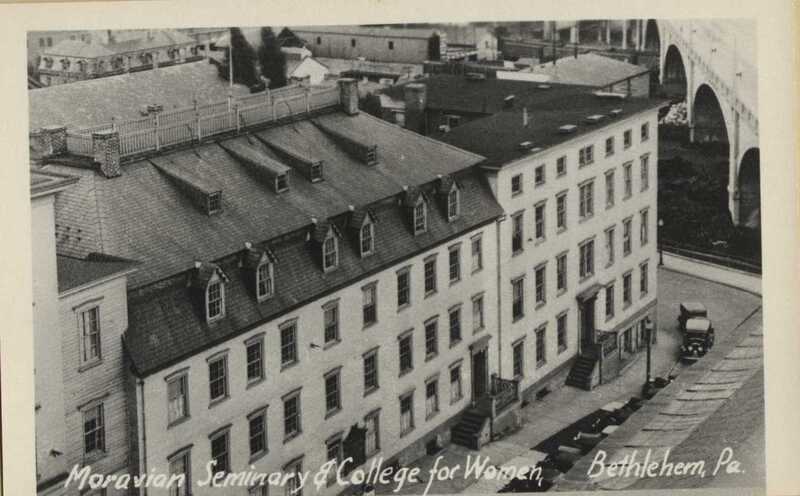
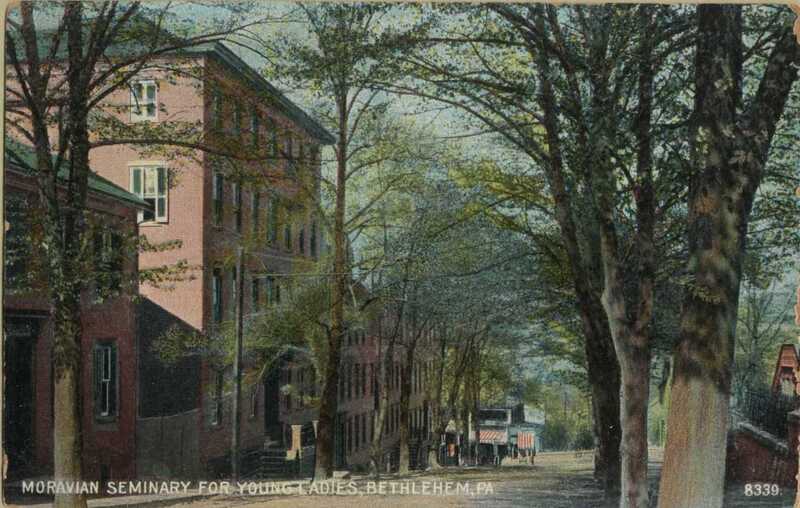
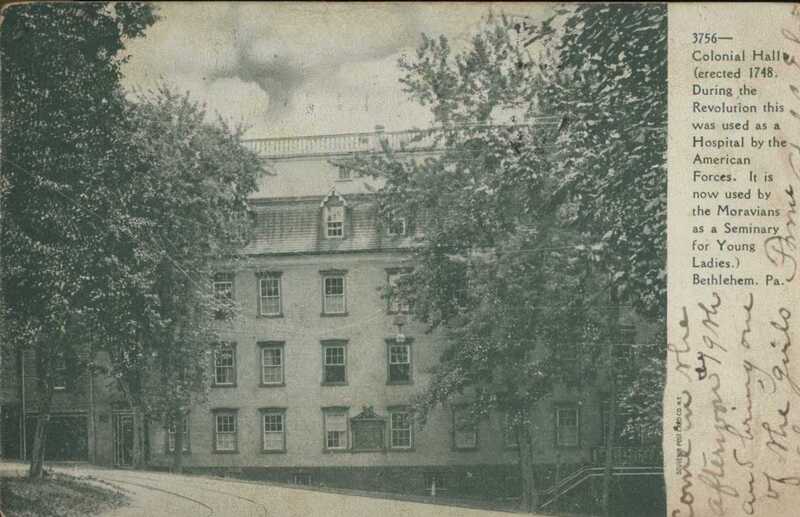
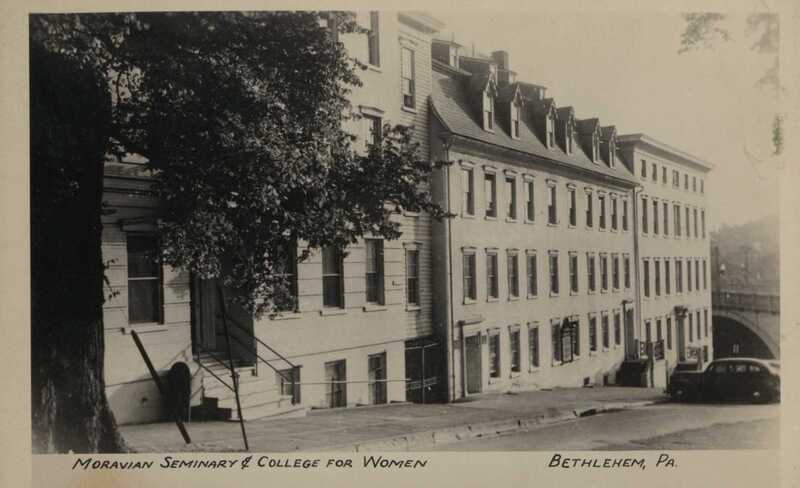
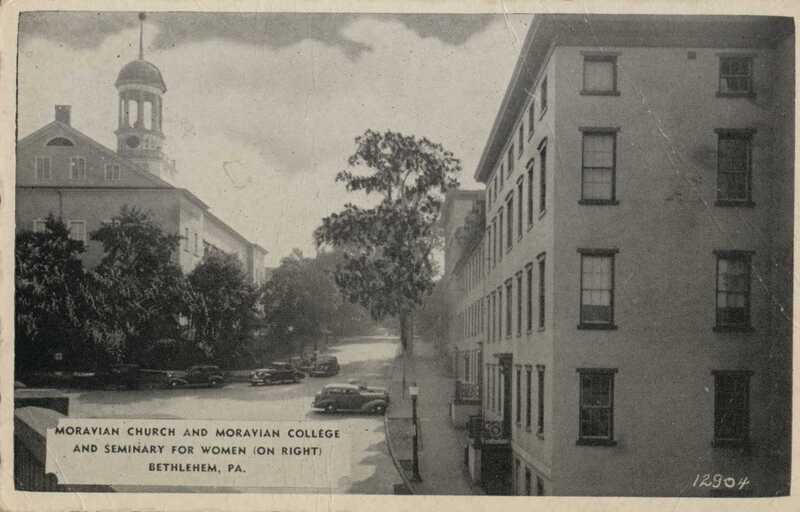
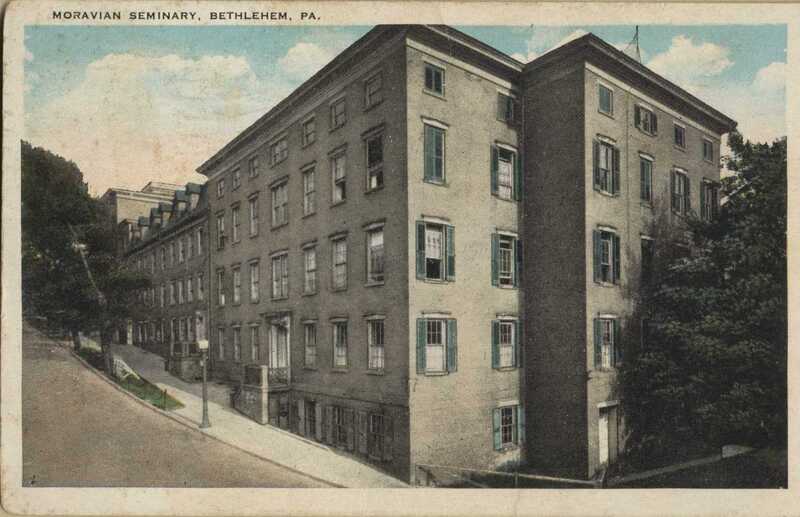
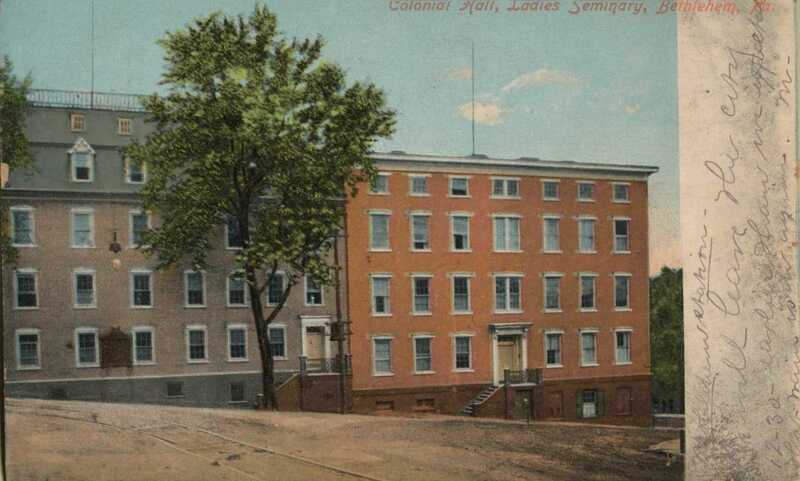
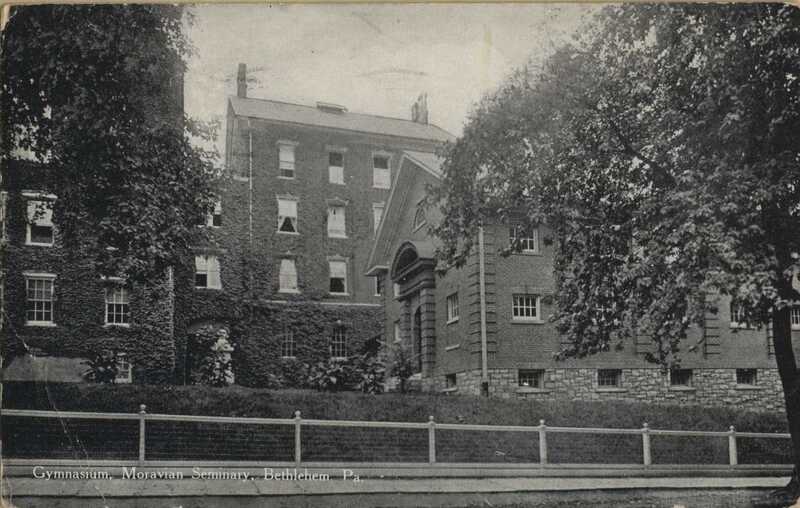
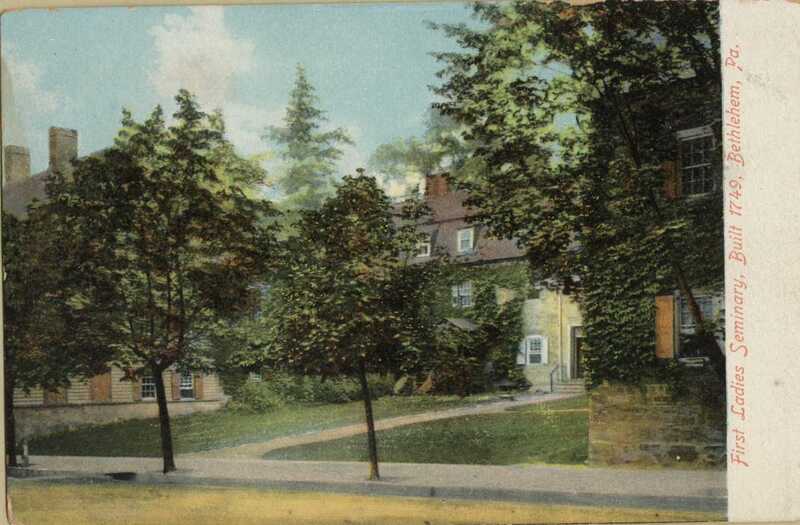
Draft of House Rules for the Girls’ School in Bethlehem to which the Sisters who are employed in the training of the Little Girls and Older Girls are to consider themselves bound written by Johann Andreas Hübner, school principal (1785-1790).
This document outlines a detailed set of rules and expectations for children attending a Moravian boarding school in the late 18th century. It emphasizes obedience, discipline, silence, modesty, religious devotion, and respect toward teachers (“Tutoresses”), peers, and worship practices. The children are instructed on proper behavior throughout the day—from waking, washing, meals, classes, and prayer meetings to recreation and walks outside. The text stresses orderly conduct, avoiding loudness, grumbling, rushing, or rude manners, and encourages the students to develop self-discipline, humility, gratitude, and reverence toward God. Overall, it reflects the highly structured, communal, and religious environment of Moravian education at the time.
Hübner transcription is presented as written, with underlined/crossed out text, original spelling and capitalization. Transcription by Barbara Ballard with annotations by James Talarico