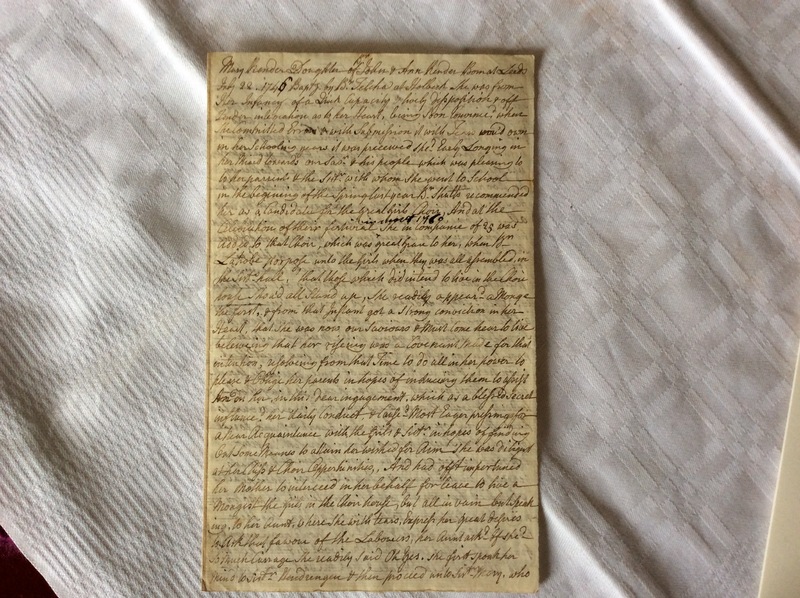
Written in English, this document is a biographical memoir of Mary Renders, daughter of John and Ann Renders, born October 22, 1746. The narrative recounts her childhood, education, and religious upbringing within the Moravian community, including her schooling in Bethlehem and her spiritual development. Like many Moravian memorial biographies, the account emphasizes Christian instruction, personal devotion, prayer, and preparation for religious life.
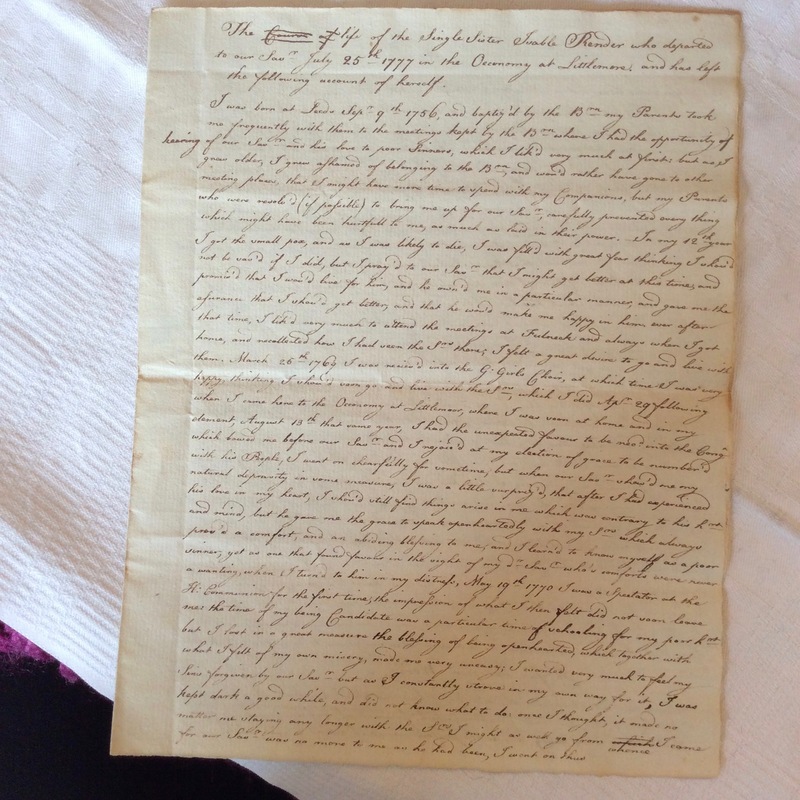
Written in English, this document is an autobiographical spiritual memoir of the Single Sister Swalle Renders (surname uncertain), who died on July 25, 1777, in Lititz, Pennsylvania. Written primarily in the first person, the memoir recounts her childhood, baptism, religious upbringing, spiritual struggles, and experiences within the Moravian community. The narrative reflects themes common to Moravian memoir literature, including salvation, prayer, religious devotion, and preparation for eternal life.
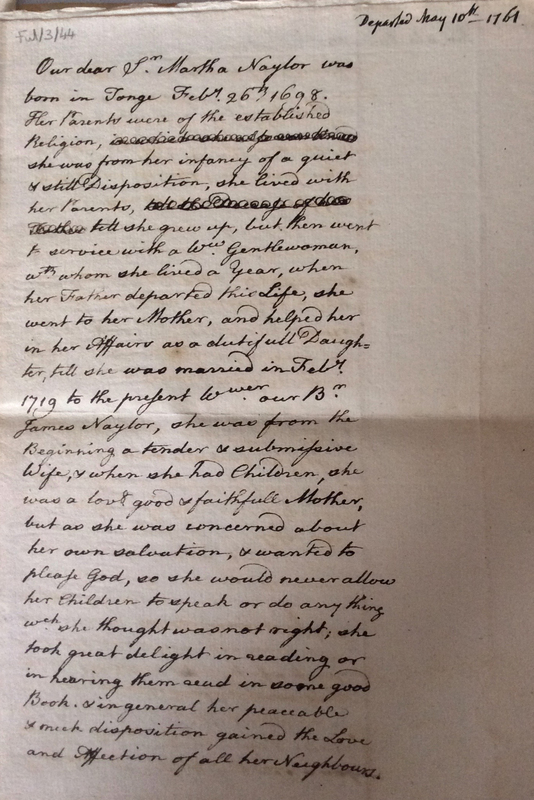
Written in English, this document is a biographical spiritual memoir of Martha Naylor (1698–1761). The narrative recounts her upbringing within the established church, years in domestic service, marriage to Brother James Naylor, and life as a devoted wife and mother. The memoir emphasizes her quiet and peaceable character, concern for salvation, religious devotion, and commitment to moral and spiritual instruction within the Moravian community.
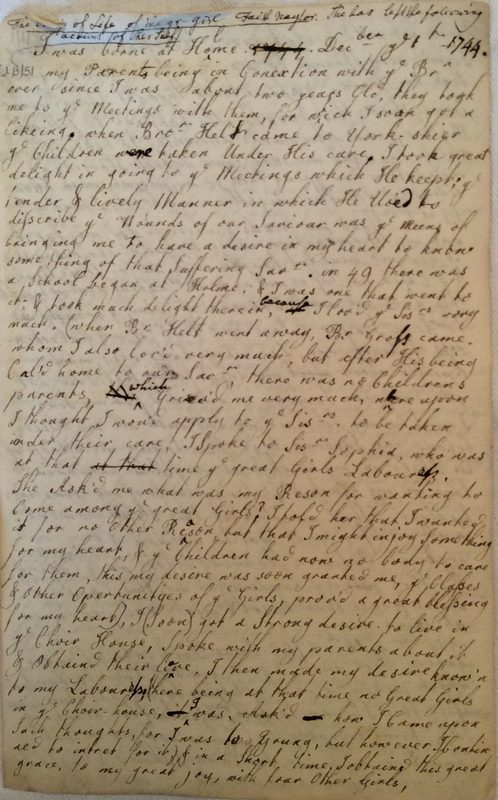
Written in English, this document is an autobiographical spiritual memoir of Sister Faith Taylor, born in 1744. Written in first person, the narrative recounts her upbringing within a Moravian-connected family, childhood participation in religious meetings, and growing desire to join the Moravian Girls’ Choir and Choir House. The memoir reflects themes of spiritual devotion, religious formation, Christian fellowship, and commitment to Moravian communal life common to eighteenth-century Moravian autobiographical literature.
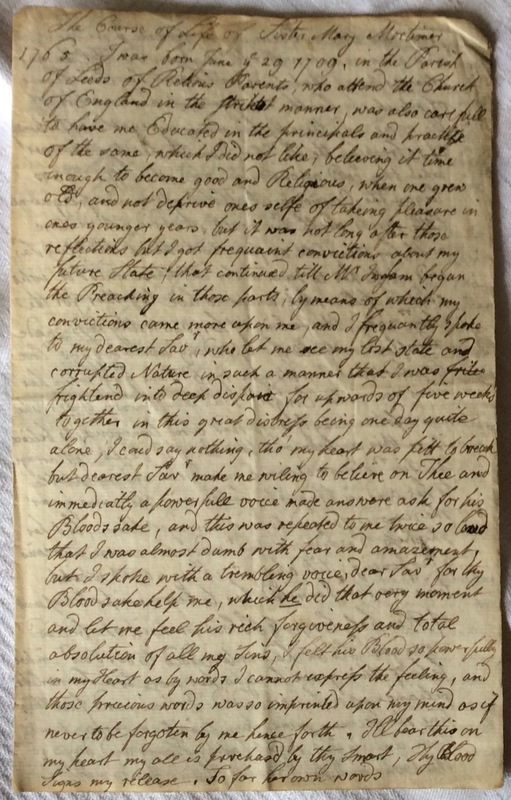
Written in English, this document is an autobiographical spiritual memoir of Sister Mary Armit (surname uncertain), born in Leeds in 1709. Written in first person, the narrative recounts her religious upbringing in the Church of England, growing conviction of sin through Moravian preaching, and profound spiritual experience of forgiveness and salvation through Christ’s atoning blood. The memoir reflects themes of repentance, grace, inward transformation, and emotional religious awakening common to eighteenth-century Moravian autobiographical literature.
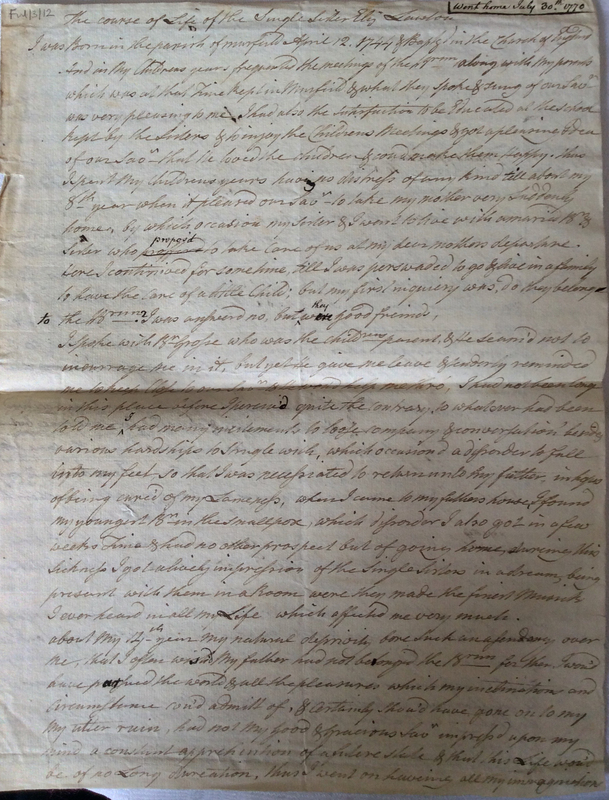
Written in English, this document is an autobiographical spiritual memoir of the Single Sister Eliz. Rawdon (1747–1770). Written in first person, the narrative recounts her upbringing near Mirfield, participation in Moravian children’s meetings, experiences in domestic service, spiritual struggles, and growing commitment to Moravian religious life. The memoir reflects themes of repentance, inward conviction, Christian fellowship, and devotion to Christ common to eighteenth-century Moravian autobiographical literature.
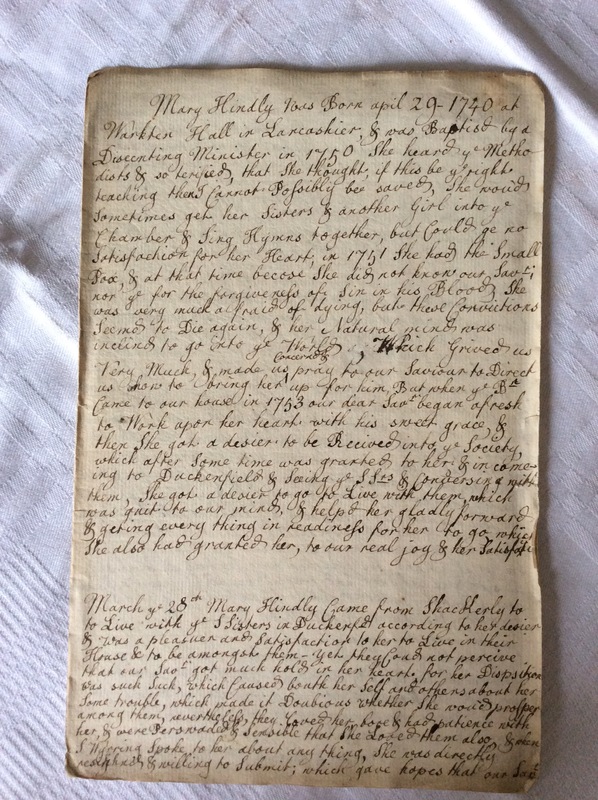
Written in English, this document is a biographical spiritual memoir of Mary Hindly (1740–?). The narrative recounts her early religious upbringing in Lancashire, growing concern for salvation, participation in Moravian religious meetings, and eventual residence with the Sisters at Dukinfield. The memoir also describes her illnesses, spiritual devotion, and humble Christian conduct, reflecting themes of grace, repentance, fellowship, and preparation for death common to eighteenth-century Moravian memorial literature.
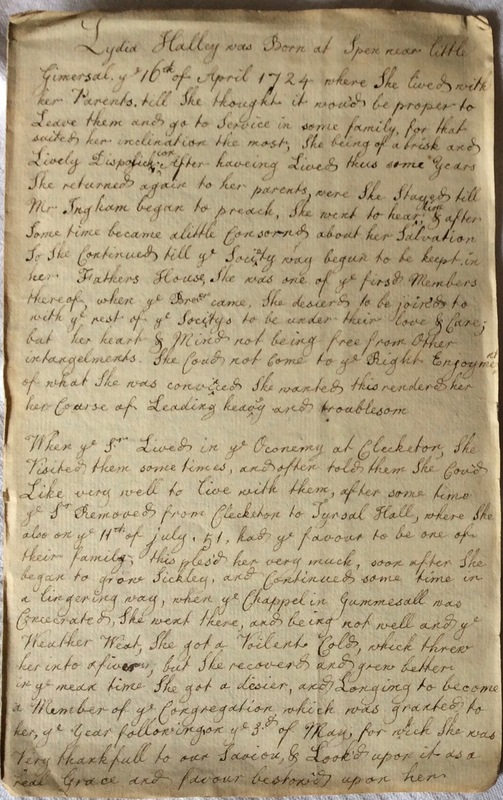
Written in English, this document is a biographical spiritual memoir of Lydia Holley (1724–1757). The narrative recounts her upbringing near Little Gomersal, exposure to Moravian preaching, growing concern for salvation, and participation in Moravian communal life at Cleckheaton and Tythall Hall. The memoir also describes her prolonged illnesses, spiritual devotion, and desire for closer fellowship within the Moravian congregation, reflecting themes common to eighteenth-century Moravian memorial literature.
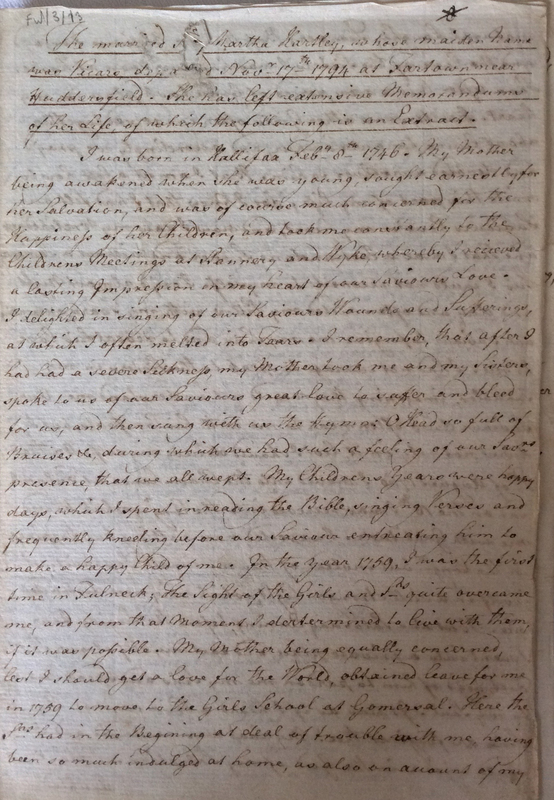
Written in English, this document is an autobiographical spiritual memoir of Martha Hartley, born in Halifax in 1746. Written in the first person, the narrative recounts her early religious upbringing, spiritual concerns during childhood, participation in Moravian children’s meetings, and growing desire to join the Moravian community at Fulneck and Gomersal. The memoir reflects themes of salvation, religious devotion, spiritual formation, and communal life common to eighteenth-century Moravian autobiographical literature.
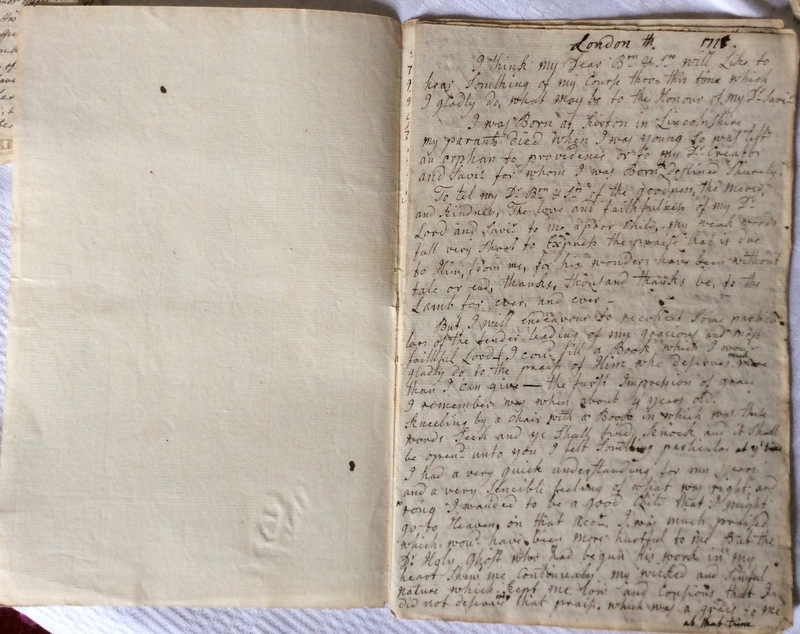
Written in English, this document is an autobiographical spiritual memoir associated with the Moravian tradition. Written in the first person, the narrative recounts the author’s childhood in Boston, Lincolnshire, the early loss of her parents, and her deepening spiritual life through religious meetings, prayer, and devotion to Christ. The memoir reflects themes of grace, repentance, salvation, and emotional religious experience characteristic of eighteenth-century Moravian devotional literature.
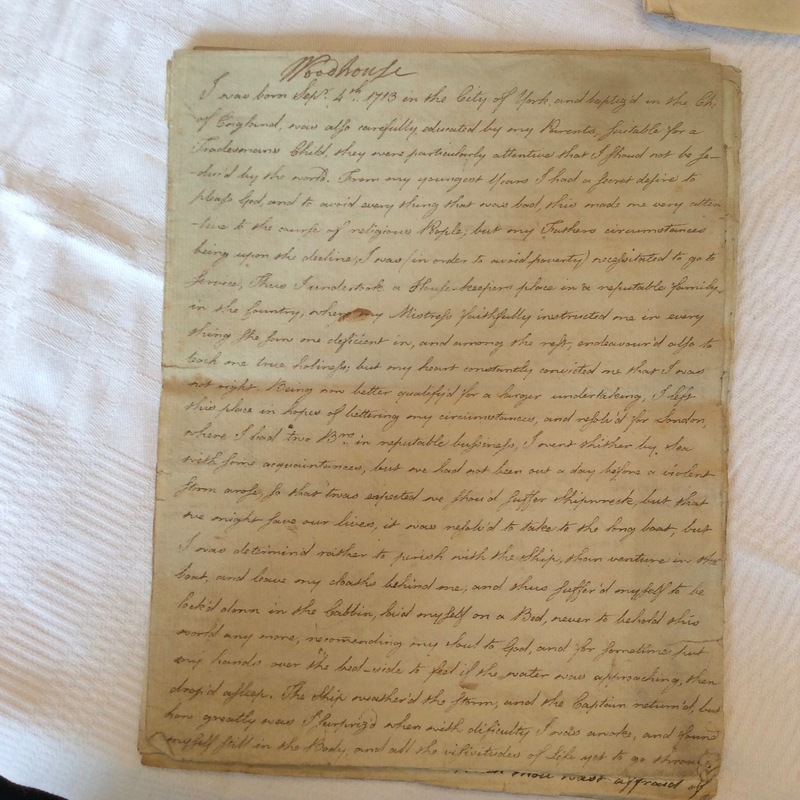
Written in English, this document is an autobiographical spiritual memoir of a Moravian sister born in York in 1713, later supplemented with memorial remarks after her death. The narrative recounts her upbringing in the Church of England, years spent in domestic service and business life in London and York, early involvement with Methodism, and profound spiritual transformation through contact with Moravian believers and the preaching of salvation through Christ’s atonement. She describes intense struggles with sin, assurance, humility, and surrender to the will of Christ, as well as her eventual entrance into the Moravian congregation and Choir House at Fulneck. The memoir emphasizes themes of grace, election, repentance, communion, devotion to Christ as the “Bridegroom” of the soul, and faithful service within the Moravian community, concluding with reflections on suffering, spiritual growth, and preparation for eternal union with Christ.
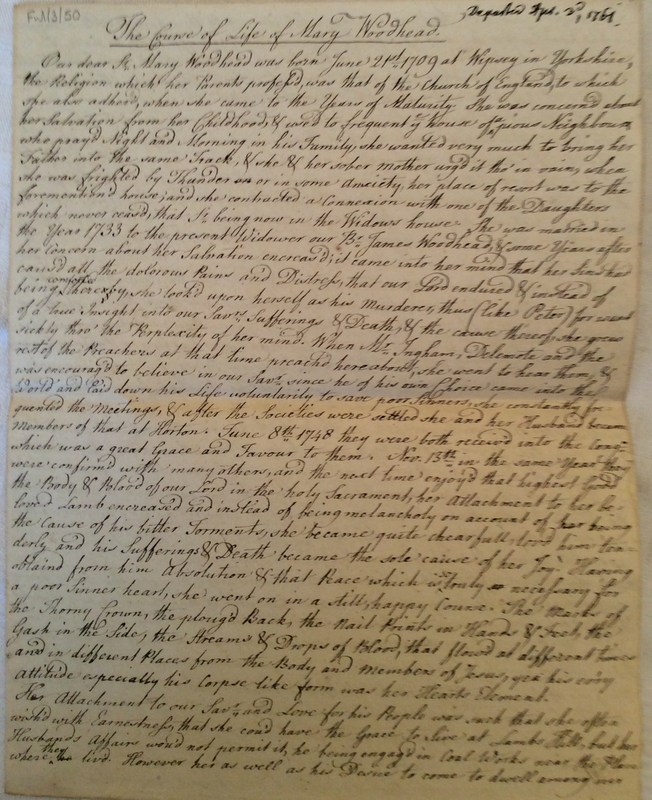
Written in English, this document is a Moravian spiritual memoir concerning Mary Woodhead (ca. 1720–1761). The narrative recounts her upbringing in Yorkshire within the Church of England, her growing religious convictions, involvement with Moravian fellowship, marriage to James Woodhead, and profound spiritual struggles centered on sin, suffering, and salvation through Christ. The memoir emphasizes meditation on Christ’s passion, participation in Moravian communal and sacramental life, and preparation for death, reflecting themes common to eighteenth-century Moravian devotional literature.
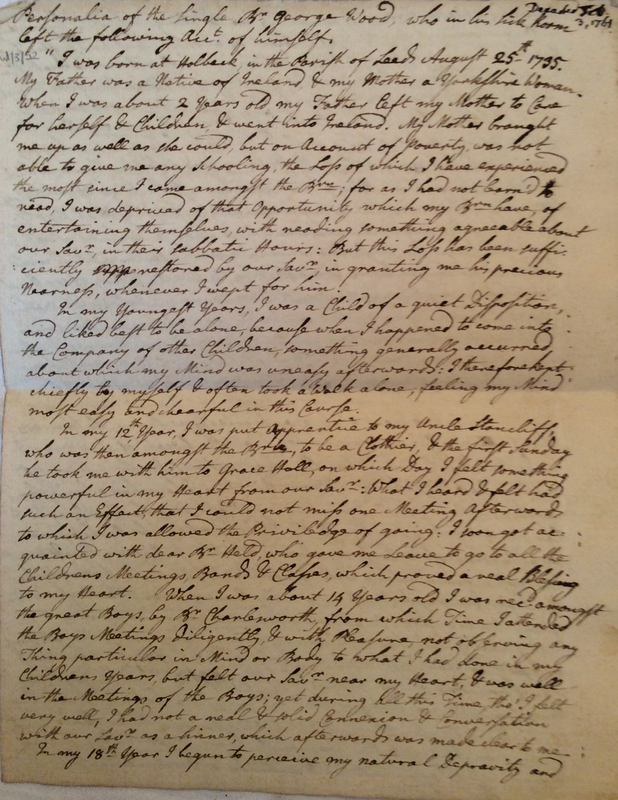
Written in English, this document is an autobiographical spiritual memoir of George Wood (1735–1761), a member of the Moravian Single Brethren. The narrative recounts his impoverished childhood near Leeds, early attraction to Moravian meetings, apprenticeship as a clothier, and deepening spiritual life through prayer, fellowship, and participation in Moravian choir and congregational life. George reflects on struggles with sin, shame, doubt, and spiritual darkness before finding comfort, forgiveness, and a close personal relationship with Christ. The memoir also describes his joyful admission into the Choir House and congregation, devotion to Holy Communion, prolonged illness from ulcers and consumption, and his peaceful, faith-filled death in 1761 while surrounded by singing and members of the Moravian community.
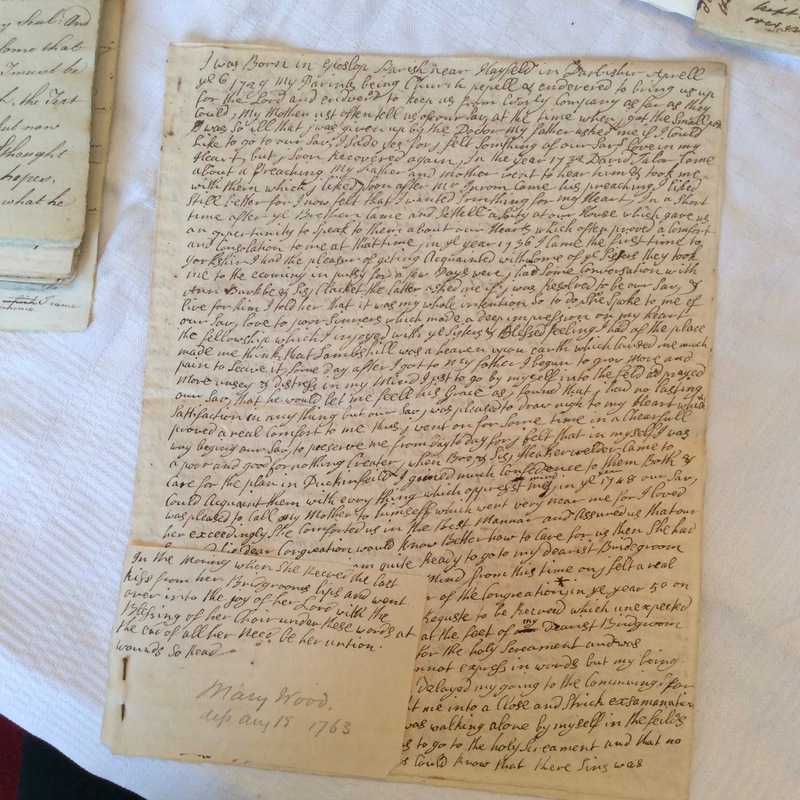
Written in English, this document is an autobiographical spiritual memoir of Mary Wood (1729–1763) associated with the Moravian community. The narrative recounts her childhood in Derbyshire, early exposure to Moravian preaching, and growing spiritual attachment to Christ through fellowship with the Brethren and the Sisters’ communities at Lamb’s Hill and other Moravian settlements. Written largely in the first person and later supplemented with memorial remarks after her death, the memoir reflects on her struggles with doubt, humility, illness, obedience, and spiritual self-examination, as well as her deep devotion to Christ, participation in the sacraments, and commitment to communal religious life. The account concludes with descriptions of her prolonged illness, longing for union with her “Bridegroom,” and peaceful death in 1763 surrounded by members of the congregation.
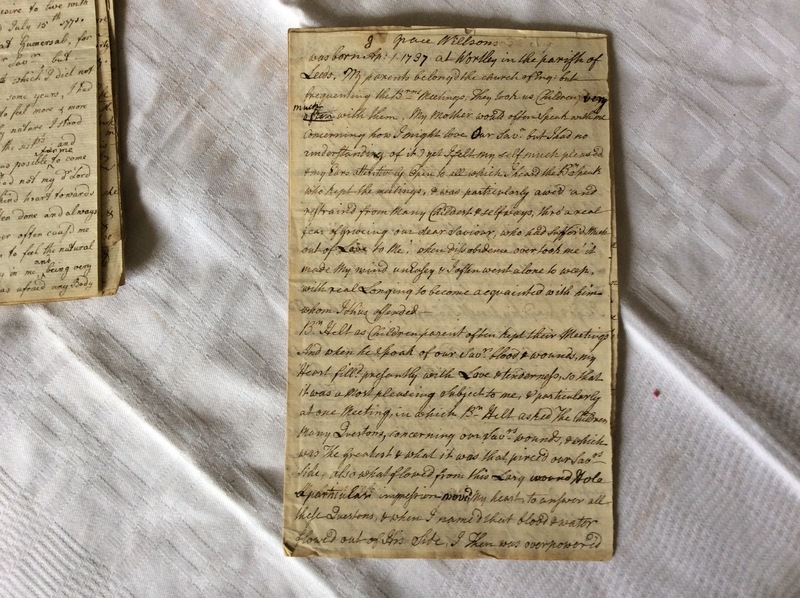
Written in English, this document is an autobiographical spiritual memoir of Grace Willsons (1737–1762) associated with the Moravian community. The narrative recounts her childhood in Wortley near Leeds, early exposure to Moravian meetings through her parents, and profound spiritual impressions formed through preaching about Christ’s wounds and sacrifice. The memoir describes her struggles with doubt, unworthiness, and unbelief, her eventual assurance of grace and forgiveness through Christ, and her increasing devotion within the Great Girls’ Choir, Single Sisters’ Choir, and Moravian congregation. It also reflects on her joyful participation in communal religious life, her longing for closer union with Christ, periods of serious illness, and her peaceful death in 1762 after receiving comfort through prayer, liturgy, and the fellowship of the sisters.
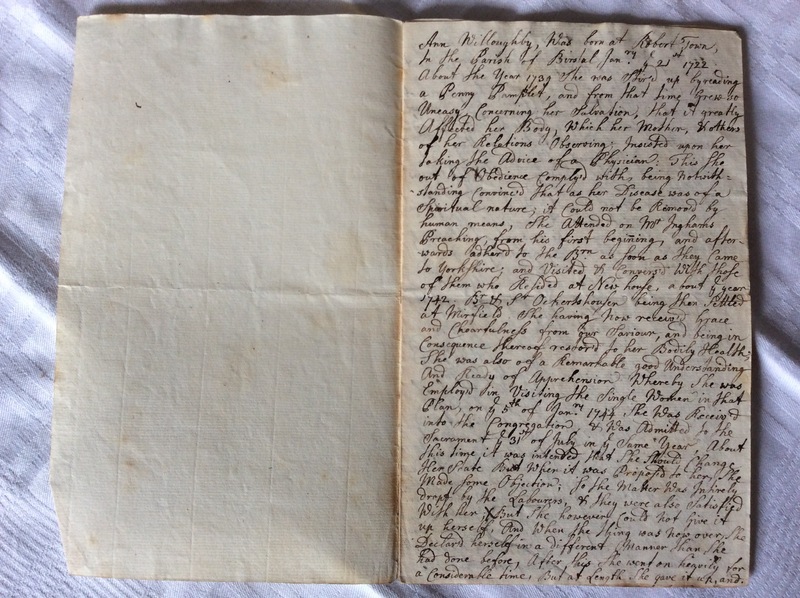
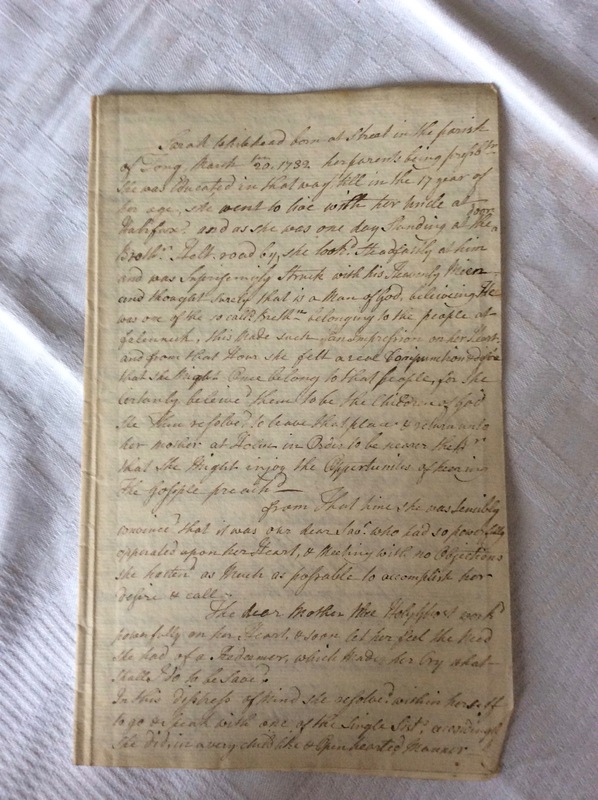
Written in English, this document is a biographical memoir of Ann Willoughby, born around 1713 in Robert Town, Birstall parish. The narrative recounts her early religious convictions, exposure to Moravian preaching, reception into the Moravian congregation, and service within the Single Sisters’ community. The memoir emphasizes themes of spiritual devotion, humility, Christian fellowship, and faithful participation in Moravian religious life.
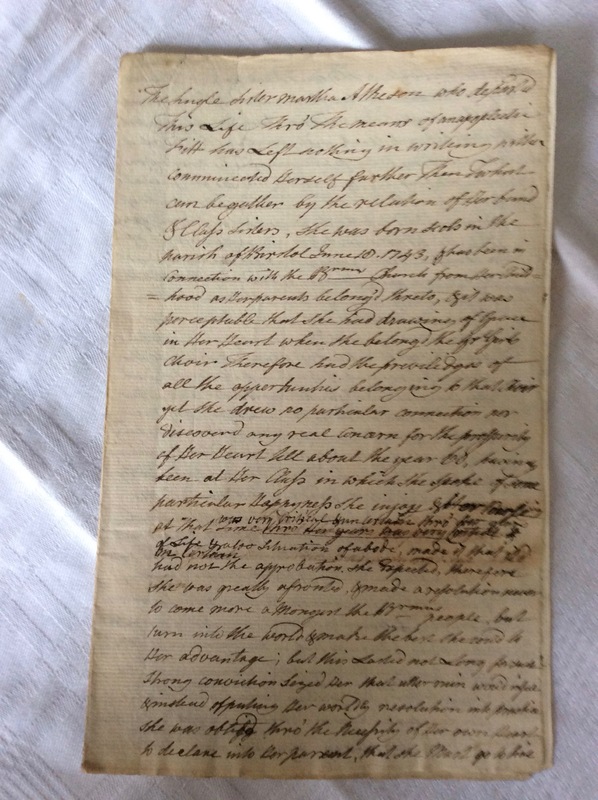
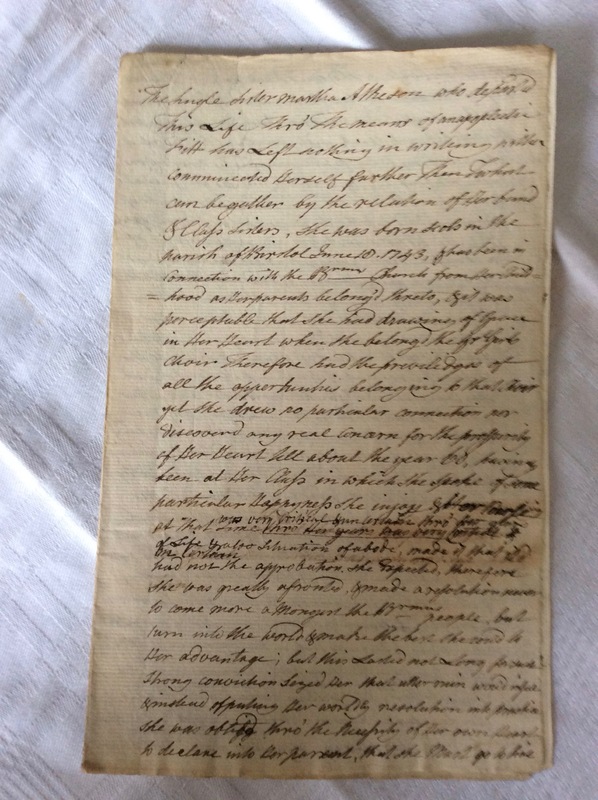
Written in English, this document is a biographical memoir of Martha Adkinson (1743–1768), a member of the Moravian Single Sisters’ community. Compiled from the recollections of her band and class sisters after her sudden death from an apoplectic fit, the narrative recounts her childhood connection to the Moravian Church, periods of spiritual struggle and estrangement, and her eventual deepening faith and commitment to communal religious life. The memoir describes her residence in the Choir House, participation in the congregation and Holy Communion, service as a cook in the Economy at Littlemore, and her growing cheerfulness, humility, and devotion to Christ in the final years of her life. The account emphasizes themes of grace, repentance, fellowship, spiritual transformation, and peaceful preparation for death common to Moravian memorial literature.
Written in English, this document is a biographical memoir of Martha Adkinson (1743–1768), a member of the Moravian Single Sisters’ community. Compiled from the recollections of her band and class sisters after her sudden death from an apoplectic fit, the narrative recounts her childhood connection to the Moravian Church, periods of spiritual struggle and estrangement, and her eventual deepening faith and commitment to communal religious life. The memoir describes her residence in the Choir House, participation in the congregation and Holy Communion, service as a cook in the Economy at Littlemore, and her growing cheerfulness, humility, and devotion to Christ in the final years of her life. The account emphasizes themes of grace, repentance, fellowship, spiritual transformation, and peaceful preparation for death common to Moravian memorial literature.
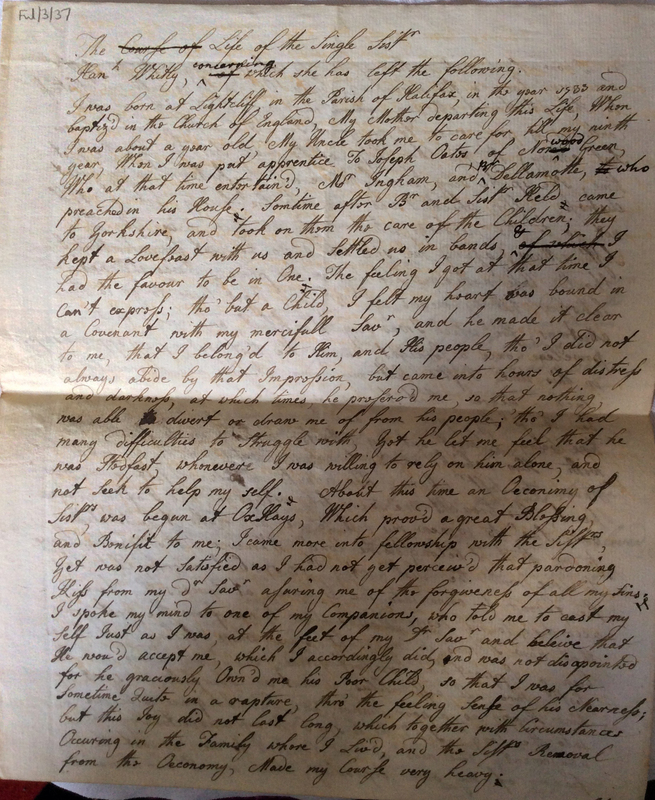
Written in English, this document is an autobiographical spiritual memoir of the Single Sister Hannah Whity, born in 1733 in the parish of Halifax. Written in first person, the narrative recounts her upbringing in the Church of England, early exposure to Moravian preaching and fellowship, spiritual struggles and religious awakening, and participation in Moravian communal life. The memoir reflects themes of grace, salvation, inward conviction, and Christian devotion common to Moravian spiritual literature.
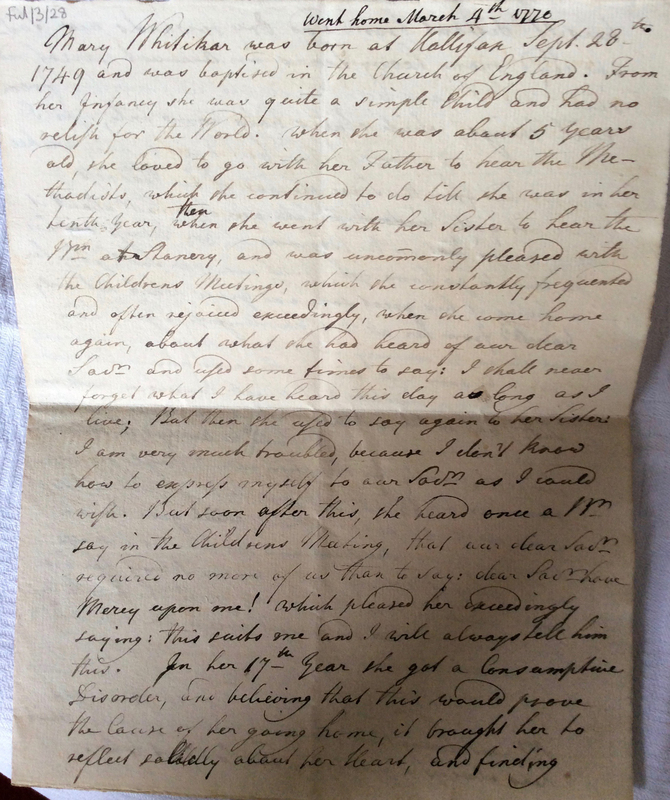
Written in English, this document is a biographical memoir of Mary Whitikar (1749–1770). The narrative recounts her childhood in Halifax, her early attraction to Moravian preaching and religious meetings, and her growing concern for salvation and Christian faith. The memoir also describes her illness and spiritual reflections prior to her death in 1770, emphasizing themes of devotion, mercy, and preparation for eternal life common to Moravian memorial literature.
Written in English, this document is an autobiographical spiritual memoir of Sarah Whitehead (1732–1761) associated with the Moravian community. The narrative recounts her Presbyterian upbringing, spiritual awakening through contact with Moravian believers, entry into the Single Sisters’ community, and deep devotional faith in Christ. The memoir also describes her prolonged illness, participation in Moravian religious life and sacraments, and her peaceful death in 1761 surrounded by members of the congregation.
Written in English, this document is an autobiographical spiritual memoir entitled The Course of Life of Sister Mary Astill. Written in first person, the narrative recounts Mary Astill’s birth in 1731 in Melksham, her childhood religious upbringing, spiritual struggles, and gradual religious development within the Moravian tradition. The memoir reflects themes common to Moravian spiritual literature, including repentance, inward conviction, salvation, prayer, and Christian fellowship.
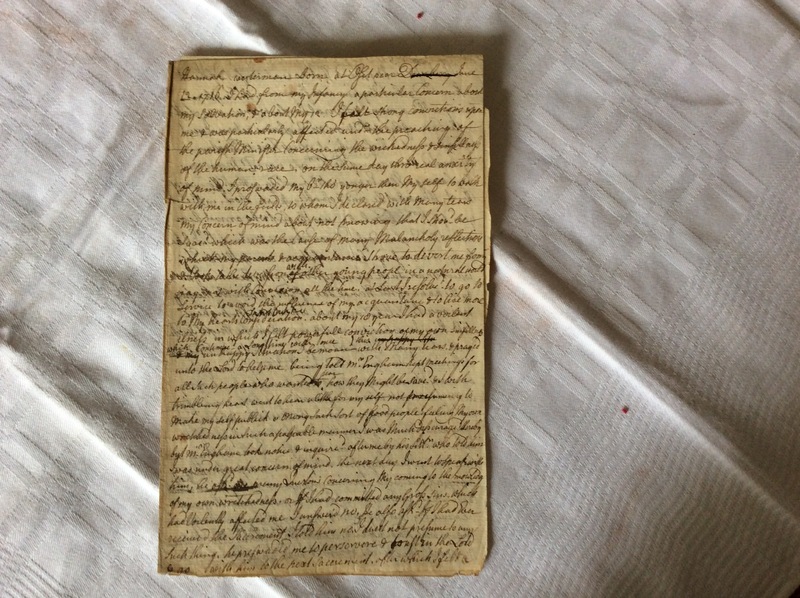
Written in English, this document is an autobiographical spiritual memoir of Hannah Westerman (1716–1761). Written in first person, the narrative reflects on her spiritual struggles, emotional suffering, religious experiences, and search for salvation through Jesus Christ within the Moravian tradition. The memoir emphasizes themes of repentance, inward conflict, prayer, grace, and Christian devotion, characteristic of Moravian spiritual literature of the eighteenth century.
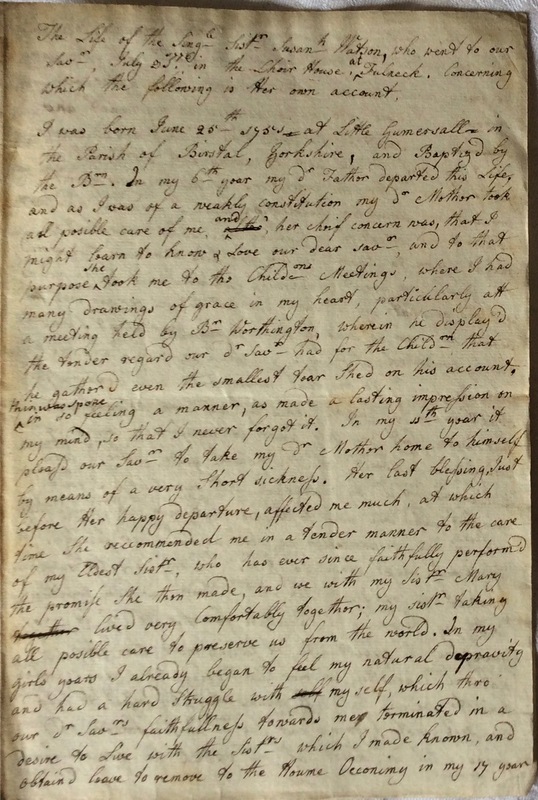
Written in English, this document is an autobiographical spiritual memoir of Susan Watson (1756–1799), who died at the Choir House in Fulneck in 1799. Written in the first person and identified as “her own account,” the narrative recounts her childhood in Yorkshire, the early deaths of her parents, her exposure to Moravian preaching and religious instruction, and her spiritual struggles and development within the Moravian community. The memoir emphasizes themes of grace, repentance, salvation, and Christian devotion common to Moravian religious literature.
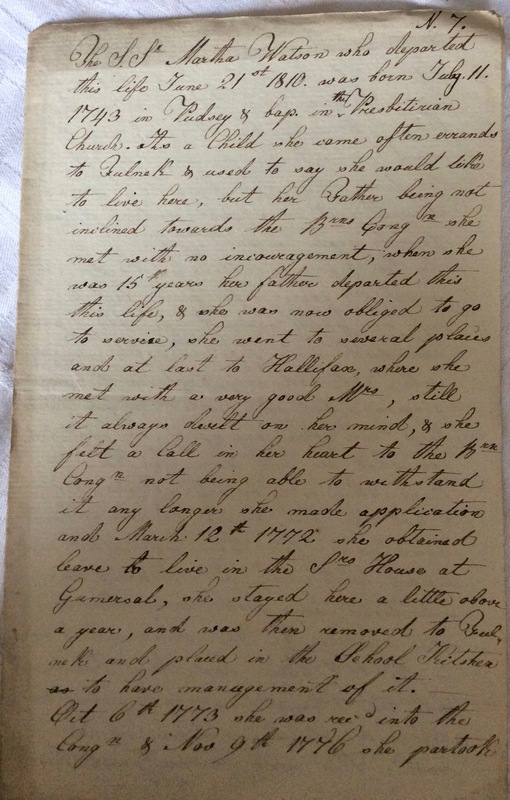
Written in English, this document is a biographical memoir of Martha Watson (1743–1810). The narrative recounts her birth in Pudsey, baptism in the Presbyterian Church, early connections to the Moravian community at Fulneck, and her eventual admission into the Moravian congregation. The memoir describes her years in domestic service, her religious development, and her later responsibilities within Moravian educational life, including service in a school. The account reflects themes of faith, devotion, community life, and spiritual commitment common to Moravian memorial literature.